- info@trendytourslk.com
- +94 77 965 6694

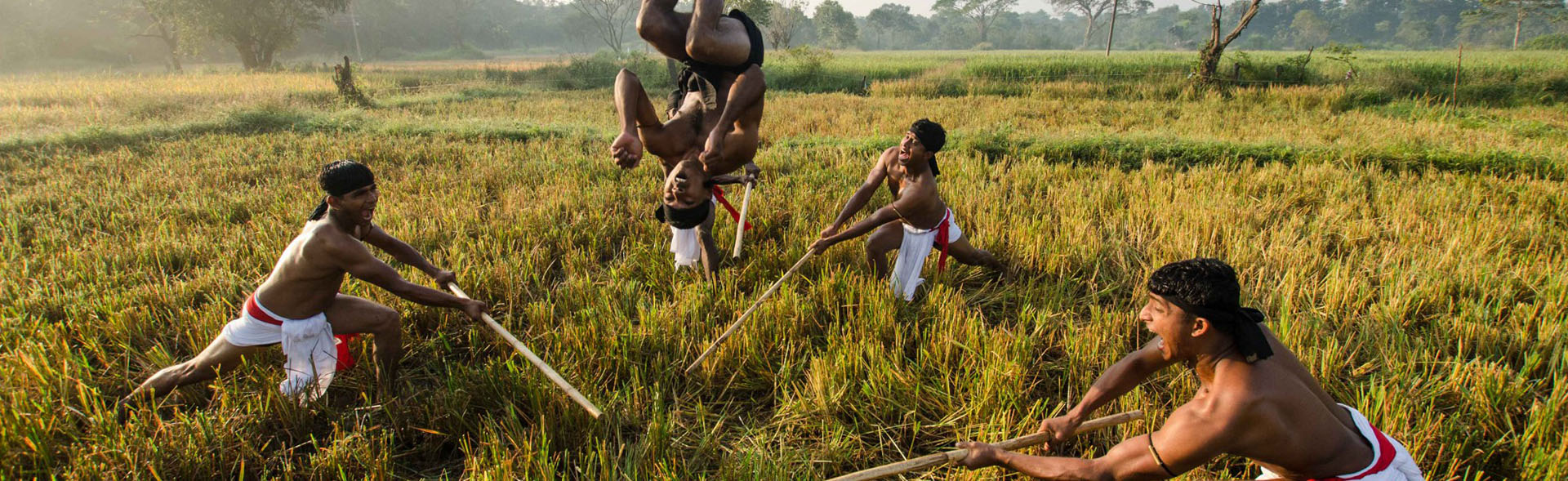
Angampora is an ancient martial art practiced in Sri Lanka thousands of years ago. Its name comes from Angham art, including proximity forms. Irangam art includes traditional weapons such as Urumi (Ethunu Kaduwa), swords, battle axes, canes, daggers, and clubs.
Angampora emphasizes the typical principles of movement and the practice of the original whole-body movement, rather than the repetitive practice of isolated techniques. These are movements that you can instinctively rely on in times of anxiety and stressful combat situations.
Angampora was created as an art of war and happiness. Recognizing these roots is important for understanding why their practices are immeasurably valuable to our lives today.
Angampora practice exposes practitioners to a variety of unique and diverse training regimes. Strength is essential in Angampora, and training creates physical tension in tendons and strength.
Angampora teaches us how to live. It teaches us to face each moment with open eyes, open heart, attitude, and tenacity. This makes Angampora the perfect foundation for a self-determining and healthy life in the modern world.
The concept of primitive body movements and tendon forces is closely associated with the powerful evolution of the senses. Angampora practitioners learn to broaden their perception of the senses. This begins with improving bodily sensations.
Practice provides a unique psychophysical setting. It allows the practitioner to physically experience the actual encounter. It can mean anything from lasting to simply disconnecting and completely immersing yourself in the moment.
Travel Agency, Internal and Receptive Tourism Operator registered and authorized by the Trendy Tours according to resolution No. PV-00 29 41 96
Subscribe and receive offers, coupons and more in your email.
info@trendytourslk.com
No. 27/4, Walpola Road, Ragama, Sri Lanka.
+94 77 965 6694