- info@trendytourslk.com
- +94 77 965 6694

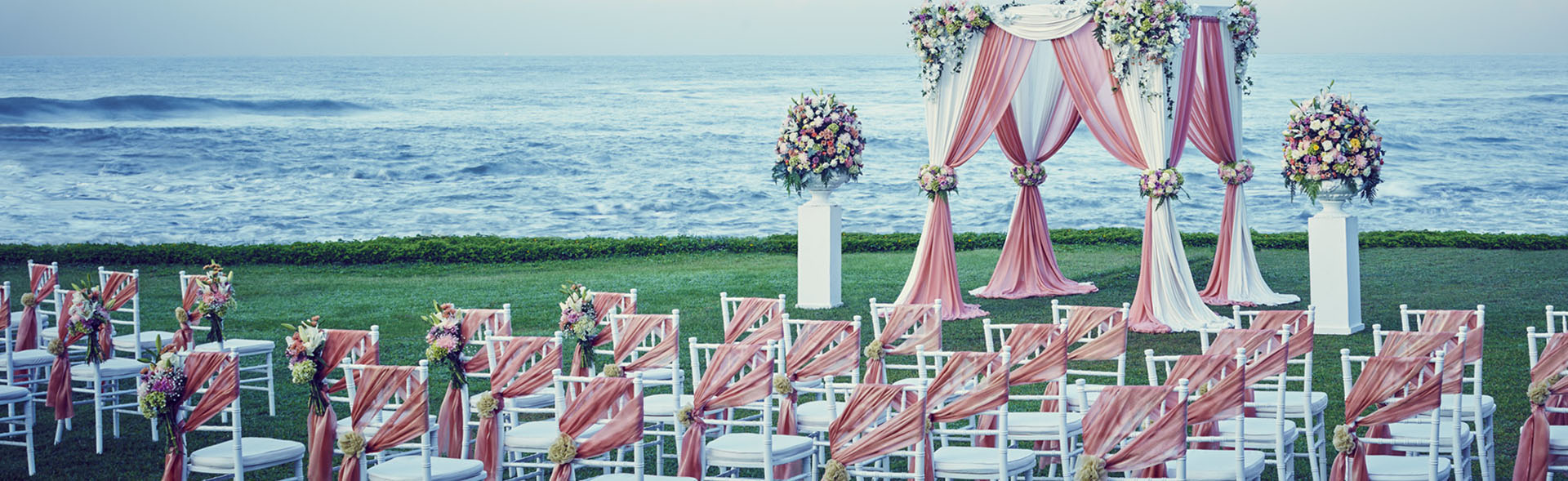
Your wedding day is one of the most important days of your life. Would you like to have a wedding in a unique place in the natural center of Sri Lanka for an unforgettable opportunity for you and your guests? Get ready for a traditional Sri Lankan wedding or a simple ceremony on a hill surrounded by beaches, tea fields, beaches, jungles, and many other places. You have a choice …!
Of the many traditional events that take place during a Buddhist wedding, the Poruwa ceremony is the most important. Therefore, it is strictly controlled by Nekath. Poruwa Sirita (Poruwa Ceremony) seems to have existed in Sri Lanka before the introduction of Buddhism in the 3rd century BC. That it existed. Over the centuries, many innovations have been introduced into Poruwa Siritha. Until the British introduced marriage registration into the law in 1870, Poruwa Siritha was considered a valid practice for registered marriages.
Traditional Sri Lankan weddings are unique to the country itself, and over the years Sri Lankan wedding customs and rituals have been passed down from generation to generation. This part describes everything about Sinhalese Buddhist weddings.
The process and its traditions have been carried out for generations. A real Buddhist wedding in Sri Lanka has many elements borrowed from the Hindu tradition. Elements such as horoscopes and formal family suggestions are important parts of both cultures.
Although modern marriages are love marriages, most South Asian countries, including Sri Lanka, still give first place to tradition and religion.
A few days after the Sri Lankan wedding is over, a “homecoming ceremony” will be held. At this ceremony, her bride wears the red sari given to her at the Poruwa ceremony. This is a new custom included in Sinhalese Buddhist marriage.
This means that the groom “takes home” the new bride. Once upon a time, this literally happened when the bride walked from home to the groom’s house when she got married. This is a Sri Lankan wedding tradition and another epic celebration with lots of dancing, drinking, dining and socializing.
Travel Agency, Internal and Receptive Tourism Operator registered and authorized by the Trendy Tours according to resolution No. PV-00 29 41 96
Subscribe and receive offers, coupons and more in your email.
info@trendytourslk.com
No. 27/4, Walpola Road, Ragama, Sri Lanka.
+94 77 965 6694